Every Daughter
Worth seeing, worth saving.
Graphics
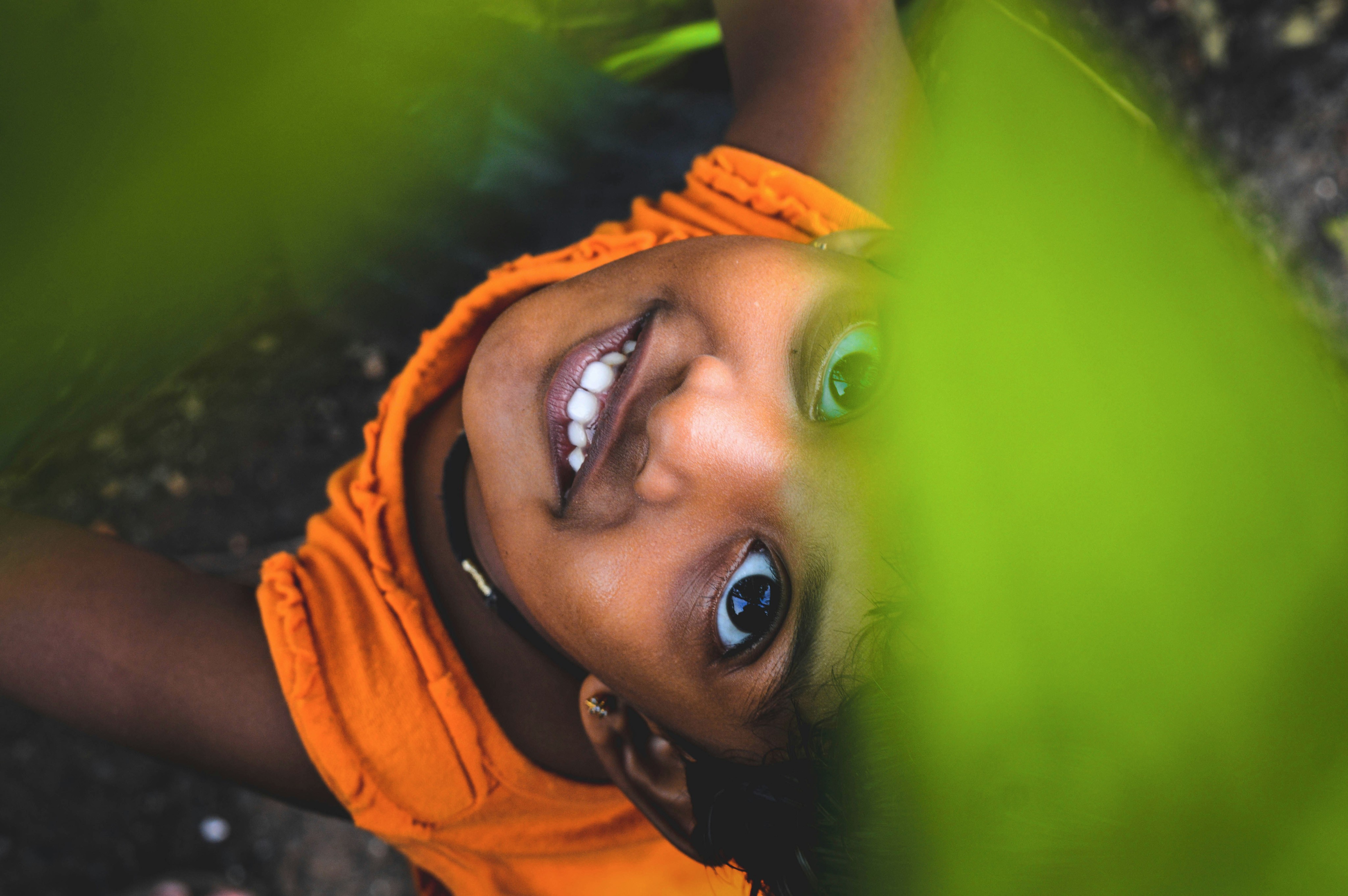

Cultural and economic factors in some Indian regions lead families to prioritize male children in ways that endanger girls’ survival. Through research-driven informational posters, my professor and I created a proof of concept for public campaigns that advocate for girls.

Challenge
In some regions of India, cultural and economic factors lead families to prioritize male children in ways that endanger girls’ well-being and survival. After researching this complex issue with my professor at RIT—a woman born and raised in India—we identified an opportunity to advocate for Indian girls through informational posters that could serve as a proof of concept for public advocacy campaigns.

Solution
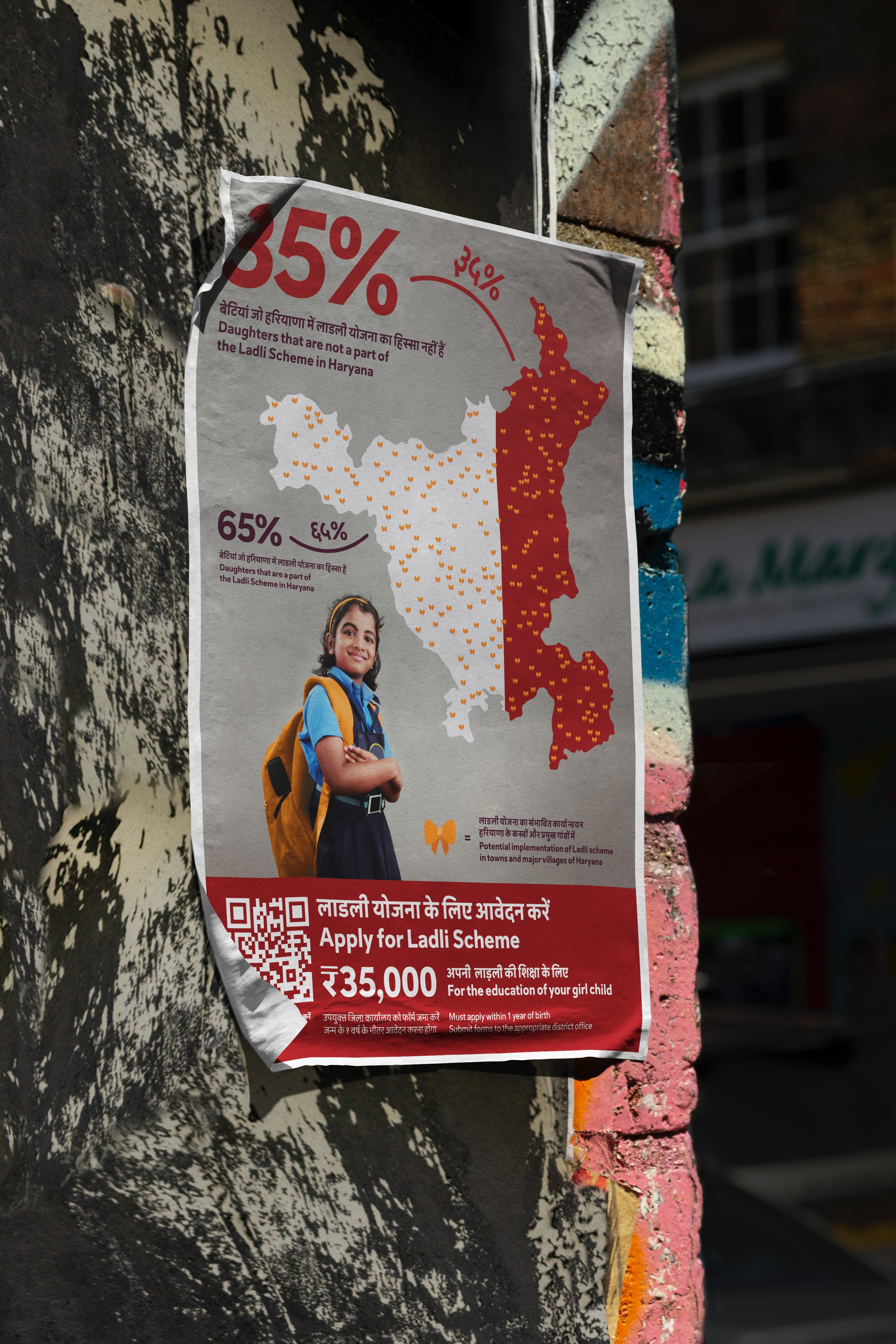
I based my graphic solutions on verified empirical data and took a solutions-focused design approach. My first poster targeted current and expecting parents in Haryana, where this issue is particularly prevalent. Research revealed that financial concerns often drive families to prioritize sons, so I highlighted the Ladli Scheme—a government program designed to empower girls socially and economically. The poster drew attention to the program’s underutilization and encouraged parents to apply.
My second poster reached schoolgirls in Uttarakhand. Since research showed that limited female role models contribute to the cycle, I featured Bachendri Pal, a mountaineer from Uttarakhand and the first Indian woman to summit Mount Everest. By showcasing her accomplishments within the context of a typical Everest expedition, I hoped to inspire young girls to envision similar achievements for themselves.
Impact
My collaborating professor confirmed the approach could effectively address the issue. The posters were displayed throughout RIT’s College of Art and Design, and I hope the many Indian international students at RIT feel honored and advocated for.
Team
Max Stromfeld
Zenab Bastawala